

PayShap has had a slow start, the Reserve Bank is about to change that
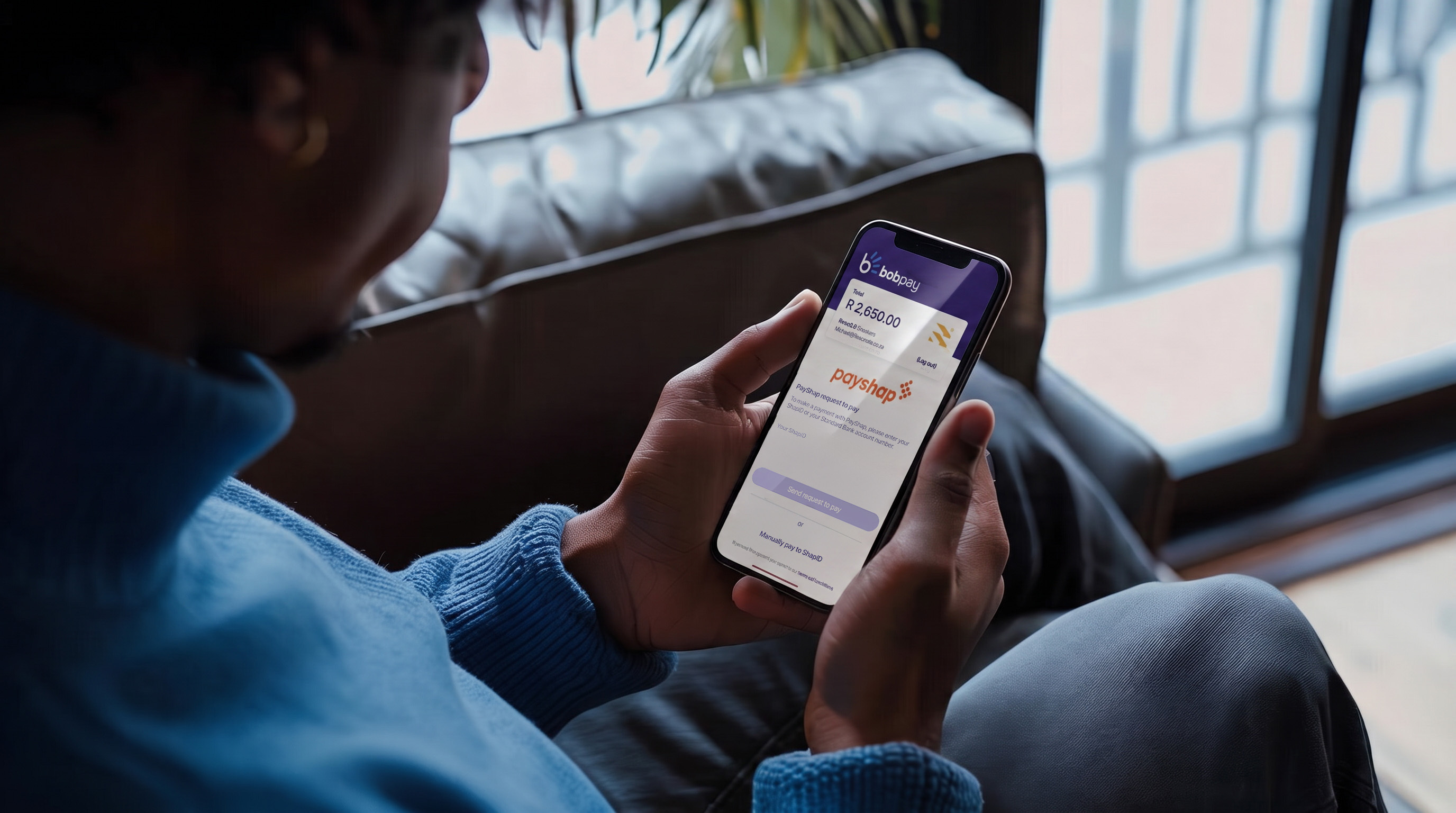
Three years after launch, PayShap hasn't taken over the way the headlines promised it would. Let me be honest about that, because pretending otherwise doesn't help anyone. Adoption has been slow. Most South Africans still reach for a card or an EFT out of habit, and plenty of people have used PayShap exactly once, to send money to a friend, and never touched it again.
That's not a failure of the idea. It's a failure of the rollout, and there's a difference.
Two things held it back. The first is cost. When your bank charges you R7 to R15 to send a PayShap payment, you are never going to use it to buy a R150 item online. The second is consistency. Every bank built its own version, in a different corner of a different app, with different limits and different quirks. When the experience is a lottery depending on who you bank with, people don't build a habit.
Here's the thing, though: this is being actively worked on, and the direction of travel is not subtle.
BankservAfrica has been rebranded as PayInc, and the Reserve Bank has been fairly open about wanting it to become shared, low-cost payment infrastructure for the whole country, rather than a nice-to-have that each bank prices however it likes. Enoch Godongwana used this year's budget to describe PayInc in exactly those terms. Put that next to the Payments Ecosystem Modernisation programme, a genuinely interoperable QR standard in QR+, and a digital identity layer in PEMKey, and the outline of where this is heading becomes pretty clear.
We've seen this film before
We don't have to guess how it ends, because two other countries have already run the experiment for us.
Brazil launched Pix in 2020. In four years it went from nothing to more than five billion payments a month, used by over eight in ten adults. In ecommerce specifically, Pix overtook cards. By 2024 it was the most-used online payment method in the country. India's UPI is even further down the road: somewhere around twelve billion payments a month, more than 80% of the country's digital payments, and completely free to use. Cards in India have quietly become a niche product for premium and international spend.
In both markets the same thing happened. The cost of accepting a basic payment collapsed towards zero, and the money moved to what happens around the payment: credit, lending, business services. The payment stopped being the product and became the front door.
My bet on what happens next
So here's my view on what happens in South Africa, and it's just that, my view. I don't think the Reserve Bank is going to sit and hope adoption improves on its own. I think it is going to force the issue. If I had to put money on it, I'd bet on three things in particular.
Parity across banks. Every bank has to offer the same PayShap. Same experience, same limits, same pricing, whether you're on Capitec, FNB, Absa or anyone else. Right now it works one way at one bank and another way at the next, and that inconsistency is a big part of why the habit hasn't stuck. Take away the lottery and adoption gets a lot easier.
Free for the payer, up to a limit. Following Brazil's lead, I expect the person making the payment to pay nothing, at least up to a threshold. You don't get mass adoption while charging people to spend their own money.
Meaningful limits. And that threshold has to be real. Not R200. Something like R25,000 and up. Enough to actually buy things online, pay a supplier, settle an invoice. A free rail that only works for tiny amounts isn't a payments revolution, it's a gimmick.
If I'm right, the economics of getting paid in this country change quickly. And that is where it gets interesting for anyone selling online.
What it means if you sell online
When accepting a payment costs almost nothing, being the cheapest checkout stops being an advantage, because everyone will have it. What wins after that is the experience: a checkout that is fast, offers the way your customer actually wants to pay, and doesn't lose them at the last step. The real prize is the customer relationship, the repeat order, the data, the loyalty, and not the single sale.
My advice to merchants is simple. Switch PayShap and pay-by-bank on now, while adoption is still low and being early costs you nothing. Stop treating payments as a cost line to be squeezed and start treating them as the front door to a relationship. Build for where payments are going, not where they are.
The puck is moving. It has already moved in Brazil and India. Ours has just been a little slower off the mark, and I don't think it stays that way for too much longer.
Related posts
Stay updated with the latest ecommerce trends.
Start accepting payments today
Join thousands of South African businesses experiencing faster, more secure online payments.