

The humble QR code is about to have its South African moment
In 1994, an engineer at a Japanese company called Denso Wave invented the QR code to track car parts moving through Toyota's factories. Nobody at the time imagined that three decades later, this little black-and-white square would be moving trillions of rands, rupees, reais and yuan around the world every year. Or that in China, cash would become so rare that even street beggars display QR codes.
That last part isn't a joke. And a version of it is coming to South Africa, in a far better form than what we have today.
Why QR won elsewhere
The QR code's success in payments has very little to do with clever technology. It won because it made accepting digital payments almost free.
In India, a fruit seller with no card machine, no bank terminal and no monthly rental can accept digital payments with a laminated piece of paper. UPI QR codes put acceptance in the hands of tens of millions of micro-merchants, and today roughly half of India's ecommerce runs on UPI. In China, Alipay and WeChat Pay made scanning a code the default way to pay for everything from taxis to tomatoes; the country largely skipped the card terminal era altogether. Brazil's Pix followed the same playbook and became the dominant way Brazilians pay each other within a few years of launch.
The common thread: the barrier to accepting payment dropped to a piece of paper. Card machines could never do that.
The South African muddle
South Africa was actually early to QR payments. Zapper, SnapScan and Scan to Pay have been around for over a decade, and they work well.
The problem is that each grew up as its own closed world. The result is familiar to anyone who has stood at a till festooned with four different code stickers, trying to work out which one their app will actually scan. Merchants juggle multiple providers. Payers never quite know what works where. Aggregation efforts have helped, but there has never been a single national standard underneath it all.
That's why QR never became the default way to pay here, the way it did in China, India or Brazil. The technology was fine. The plumbing was fragmented.
Enter QR+
This is about to change. Under the South African Reserve Bank's Payments Ecosystem Modernisation programme, the industry is building a single national QR standard called QR+, with a central registry run by the national payments utility.
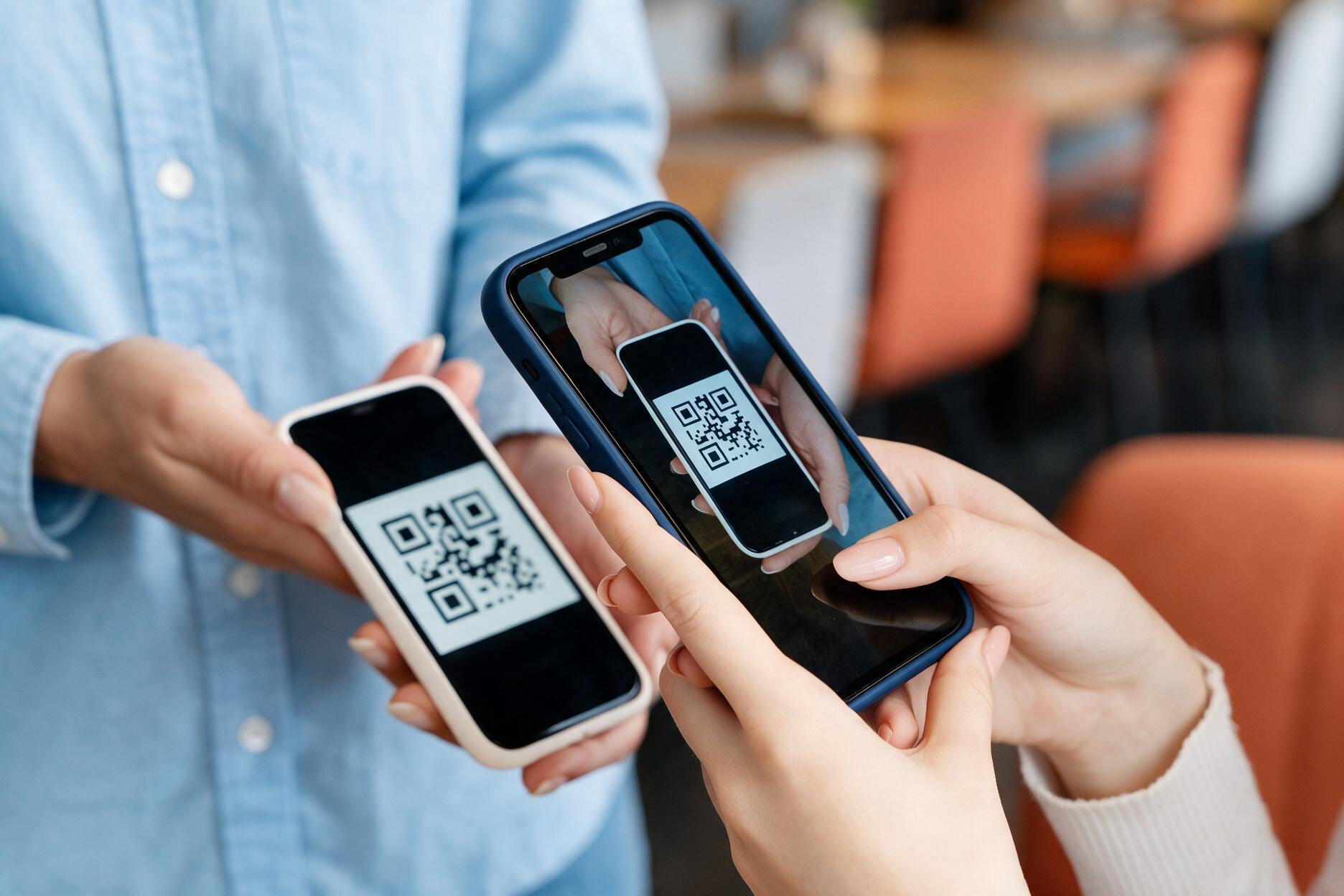
In plain language, that means one code, any app. Scan a QR+ code with whichever participating bank or wallet app you prefer, and it just works.
A few things make this interesting rather than just another standards exercise. QR+ supports both directions of payment: the merchant can present a code for you to scan, or you can present a code on your phone for the merchant to scan at the till, which is how mature QR markets operate. It launches on PayShap and card, with other payment methods to follow, because the QR code is the front door, not the payment itself. The first version of the standard was published in December 2025, industry testing is underway, and nearly two hundred organisations, from banks to fintechs to telcos, are involved in the working group.
But what about the dodgy sticker problem?
Every conversation about QR payments eventually gets to the same worry, and it's a fair one. In Austin, Texas, fraudsters stuck their own QR codes over the payment codes on parking meters. Drivers scanned, paid, and drove off. The money went straight to the scammers. This practice even has a name now: quishing (QR code phishing).
This is exactly the problem QR+ is built to kill. Every QR+ code resolves through the central trusted registry using a single known domain, so your banking app can verify a code is genuine before anything happens. Only registered, vetted service providers can issue codes, each with an identifier assigned through the registry. And codes will carry a recognisable acceptance mark, so payers learn what "real" looks like, much as we all learnt to look for the padlock in a web browser.
A random sticker slapped onto a parking meter simply won't resolve. The fragmented QR world made trust hard; a national standard makes trust a feature.
Why this matters
The countries that got QR right didn't just digitise payments. They widened who gets to accept them: the market trader, the school fete, the plumber, the invoice sitting in your inbox. Cheap, universal, trusted acceptance changes the economics of small commerce, and South Africa is finally building the plumbing to do the same.
Related posts
Stay updated with the latest ecommerce trends.
Start accepting payments today
Join thousands of South African businesses experiencing faster, more secure online payments.